
Please Choose Your Language
Views: 0 Author: Site Editor Publish Time: 2026-05-08 Origin: Site


Living in a small apartment presents unique lifestyle challenges. You love your pet dearly, but you also value your limited floor space. Balancing their natural instinct for a secure territory against strict square-footage limitations requires careful planning. Choosing the wrong indoor enclosure quickly leads to daily frustration. A poorly designed unit introduces harsh visual clutter into your living room. It often creates structural rattling noise whenever your pet moves around. You might also experience localized odor buildup. Low-quality enclosures can even cause permanent damage to rental property floors. To succeed, a high-quality indoor enclosure must serve two distinct purposes. First, it must act as a secure behavioral tool for your furry companion. Second, it must function as an integrated, space-efficient fixture for your home. In this comprehensive guide, we will explore essential evaluation dimensions. You will discover practical strategies for selecting the perfect architecture. We will help you optimize your apartment setup effectively.
Acoustic & Structural Integrity: Flimsy wire cages create echo and rattling; prioritize rigid frames that dampen noise in shared-wall living spaces.
Spatial Integration: Furniture-style, corner-fit, and collapsible models mitigate lost floor space.
Behavioral Matching: Selection must align with pet temperament (e.g., high-energy chewers vs. anxious den-seekers) rather than aesthetics alone.
Vendor Vetting: Sourcing from a reputable pet cage manufacturer ensures non-toxic finishes, reliable latch security, and available replacement parts.
Shoppers often fixate on external measurements alone. However, finding the right fit requires looking much deeper. You must evaluate how the enclosure interacts with your apartment environment daily. Small spaces amplify minor design flaws significantly. We need to examine four critical functional dimensions.
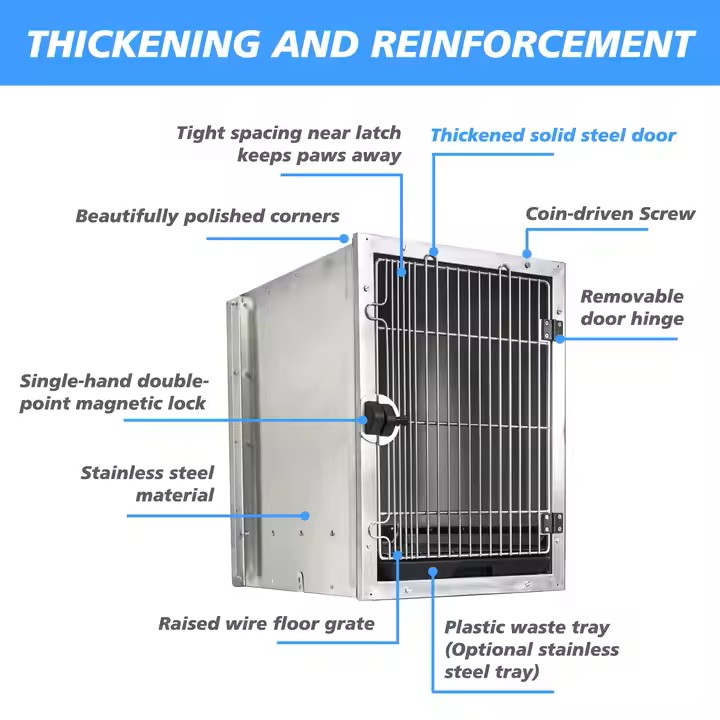
Thin walls in small apartments amplify sound easily. Structural noise becomes a primary failure point for many owners. You must evaluate metal gauge thickness carefully during your search. Avoid lightweight wire constructions entirely. They shudder and rattle loudly whenever the pet shifts positions. This constant vibration travels quickly through hardwood floors. It can easily disturb neighbors living directly below you. Choose rigid frames built from thicker steel. Heavy-duty construction dampens sound waves efficiently. A quiet enclosure keeps your home peaceful.
Confined apartment spaces trap body heat rapidly. Odors build up much faster in smaller, enclosed rooms. You need broad mesh panels or slatted side designs. These architectural elements ensure proper cross-ventilation constantly. Good airflow disperses ambient heat away from your pet. It also contains shedding hair efficiently within the base pan. Proper ventilation prevents humidity from accumulating inside. High humidity often leads to skin irritations for dogs. A well-ventilated unit keeps your living area smelling fresh.
Hygiene remains strictly non-negotiable for apartment dwellers. You cannot drag a massive metal frame into a tiny shower. Prioritize models featuring seamless, slide-out bottom trays. Look closely for wide-swinging access doors. These specific features allow you to perform daily spot-cleaning routines quickly. You should never have to dismantle the entire unit just to wipe up a water spill. Quick access encourages better daily maintenance habits.
You must evaluate the visual clutter of the design. Heavy, dark materials make small rooms feel highly claustrophobic. Opt for lighter exterior finishes. Ash, white, or light oak blend beautifully into modern decors. Look for enclosures built on raised furniture legs. Elevated designs allow natural room light to pass underneath freely. This optical illusion utilizes negative space effectively. It makes your living room feel significantly less cramped.
Designers now create enclosures tailored specifically for tight floor plans. You no longer have to settle for ugly, space-hogging metal boxes. Let us break down the most effective structural categories available today.
Use Case: These models shine brilliantly in living rooms and bedrooms. They double as practical end tables or functional nightstands. This dual purpose reclaims valuable floor area instantly.
Evaluation Criteria: Assess the static load capacity of the top surface carefully. Ask yourself if it can hold heavy books or ceramic lamps safely. Check the top surface for basic water resistance.
Risks: Wood-composite models pose severe risks if you own a chewer. Splinters can cause severe internal gastrointestinal injuries. Ensure the interior framework utilizes heavy-duty metal reinforcement bars.
Use Case: These are ideal for temporary containment needs. Frequent travelers love their lightweight portability. They work perfectly in apartments where you must stow the unit away daily.
Evaluation Criteria: Inspect the folding hinge mechanisms closely. Look out for dangerous pinch-points. Verify the actual folded dimensions accurately. They must fit smoothly under your standard sofa or bed frame.
Risks: They lack necessary structural rigidity. Never use them for untrained puppies. Pets suffering from severe separation anxiety will easily shred soft-sided fabrics.
Use Case: These architectures maximize awkward dead zones perfectly. Vertical multi-tier enclosures act as exciting indoor catios. Feline behavioral experts consider them mandatory for cats living in apartments. Heavy-duty corner crates work beautifully for medium-to-large dogs in tight floor plans.
Evaluation Criteria: Stability remains paramount for these tall structures. Vertical setups must feature incredibly wide bases. Look for wall-anchoring capabilities. These anchors prevent dangerous tipping if your pet jumps forcefully against the door.
Aesthetic appeal means nothing if the unit stresses your animal. You must match the structural environment to their specific psychological needs. A poor match leads to destructive behaviors and severe anxiety.
These pets require a dim, highly enclosed environment. Reduced visual overstimulation calms their fragile nervous system effectively. Solid-wall designs work exceptionally well for them. Alternatively, choose simple wire frames paired with fitted blackout covers. The goal is to simulate a safe, dark den.
These animals mandate heavy-duty industrial materials. Use reinforced steel or aerospace-grade aluminum. Avoid soft plastics entirely. Exposed wood edges will not survive a determined chewer. You need thick metal bars to prevent broken teeth. Invest heavily in structural integrity here.
Focus strictly on physical accessibility for aging animals. Orthopedic joint issues like arthritis make climbing extremely painful. These pets require ultra-low entry thresholds. Zero-slip flooring prevents dangerous accidental falls. Wide double-door access allows you to insert thick orthopedic memory foam beds effortlessly.
These critters have highly specific daily housing requirements. Bar spacing must remain incredibly narrow to prevent escape. They need an adequate horizontal turning radius inside. Materials must never retain ambient room heat. Ideal temperature zones strictly hover between 60-73°F. They lack proper sweat glands, making heat stroke a real danger.
Below is a quick reference matrix to help you choose the right configuration:
Pet Temperament / Type | Ideal Material Framework | Key Design Feature Needed | Common Mistake to Avoid |
|---|---|---|---|
Anxious / Nervous | Solid wood or covered metal | Dim, enclosed den structure | Using exposed wire in busy rooms |
High-Energy / Destructive | Reinforced steel or aluminum | Heavy-duty dual lock mechanisms | Choosing soft plastics or wicker |
Senior / Low-Mobility | Standard metal wire | Ultra-low threshold doors | Slippery plastic floor pans |
Small Animals (Ferrets, Rabbits) | Coated wire over solid base | Narrow bar spacing | Ignoring ambient heat retention |
Who builds your enclosure matters immensely. The production quality directly affects daily safety. Partnering with a reputable Pet Cage manufacturer prevents long-term headaches. They follow strict safety guidelines during fabrication.
Verify the specific powder coatings used during manufacturing. They must be entirely non-toxic and strictly lead-free. Pets will inevitably lick or gnaw on the bars over time. Safe finishing materials protect their sensitive digestive systems from heavy metal poisoning. High-quality baked powder coats also resist rust better than cheap liquid paints.
Examine the latching mechanisms closely before buying. Clever pets quickly learn to manipulate simple sliding bolts. Seek out secure dual-lock systems. Slam-latch capabilities offer excellent, foolproof security. They prevent determined escape artists from roaming your apartment unsupervised while you work.
Always evaluate post-purchase customer support. Will the company provide necessary replacement parts easily? Slide-out trays and rolling casters break occasionally during normal use. A shattered plastic floor pan should not force a complete unit replacement. Reliable brands sell individual components to extend the product lifespan indefinitely.
Buying the perfect unit solves only half the problem. How you integrate it into your home dictates ultimate success. Poor placement ruins the most expensive designs. Let us review practical logistics for cramped spaces.
Location dictates daily success. Never place the unit in high-traffic bottlenecks like narrow hallways. Avoid placing them near direct heat sources like active radiators. Keep them away from drafty, poorly insulated windows. Choose a quiet, climate-stable living room corner. This deliberate positioning helps your pet relax completely.
Resist the strong urge to overstuff the interior. Do not pile in thick, heavy blankets or multiple stuffed toys. Excess items restrict your pet's natural turning radius severely. In a small apartment environment, this clutter traps dangerous body heat quickly. Keep the interior space minimal, clean, and highly breathable.
Capitalize fully on the empty wall space directly above the enclosure. Install strong floating shelves securely into the wall studs. Use them to hold everyday leashes, training treats, and waste bags. This creates a unified, highly space-saving pet station. It keeps your limited floor space beautifully organized. Incorporating a well-designed Pet Cage into your decor requires thoughtful vertical planning.
Living in close quarters requires intelligent compromises. You can easily balance spatial limitations against your animal's welfare. Let us review the best practices for making your final choice.
Shortlisting Logic: Base your final decision on a strict hierarchy of needs. Prioritize pet size and behavioral temperament first. Consider your apartment floor layout second. Look at aesthetic finishes and paint colors third. This framework guarantees behavioral success and lasting spatial harmony.
Next Steps: Grab a measuring tape today. Measure your available floor space carefully. Always factor in the door-swing radius to avoid blocking walkways. Measure your pet precisely from nose to tail base. Add their full standing height. These specific numbers ensure the enclosure provides ample room. Your pet must stand, turn, and stretch effortlessly without wasting precious apartment real estate.
A: The enclosure must be long enough for the pet to lie fully stretched out, high enough to stand without ducking, and wide enough to turn around comfortably. Going smaller to save space is an ethical and behavioral risk.
A: Combine a high-ventilation cage design with washable, moisture-wicking fleece liners or fitted pee pads. Establish a strict daily tray-cleaning routine and ensure the room has adequate ambient airflow.
A: No. While excellent for space-saving, wooden crates are strictly for fully crate-trained, non-destructive dogs. Puppies and chewers can ingest splinters or destroy the structural integrity of a wood-only enclosure.


