
Please Choose Your Language
Views: 0 Author: Site Editor Publish Time: 2026-08-31 Origin: Site


Early-stage puppy grooming carries high stakes. The experiences a puppy has during their first few months dictate their lifelong behavioral response to handling, veterinary exams, and routine hygiene maintenance. Pet owners frequently rely on improper tools or rush the process. Using human hair dryers, incorrect brush types, or forcing a puppy through a scary bath often leads to grooming trauma, skin irritation, impacted anal glands, ear infections, and overgrown quicks.
To prevent these outcomes, owners need a systematic, evidence-based approach to pet grooming. This approach prioritizes behavioral desensitization, evaluates essential at-home equipment, and outlines a safe, step-by-step execution framework. You can transform a potentially terrifying experience into a cooperative, stress-free routine. This guide provides the exact protocols needed to build trust, maintain critical hygiene, and set your puppy up for a lifetime of healthy habits.
Behavioral Foundation First: Successful puppy grooming relies on gradual desensitization to handling, motor noise, and water before attempting a full grooming session.
Tool Selection is Critical: Utilizing purpose-built equipment—specifically a dedicated pet grooming dryer over a human hair dryer—mitigates severe risks of thermal injury and coat damage.
Hygiene Over Aesthetics: Early grooming should focus on health-critical maintenance: clearing eye discharge, cleaning ear canals, sanitary trimming, and nail management.
Facility Alternatives: For owners lacking space or safe home setups, utilizing a self service dog wash offers access to professional-grade tubs and restraints without the cost of full-service grooming.
Successful grooming starts with cooperative care. This concept involves training an animal to willingly participate in their own handling and husbandry. Rather than forcing a puppy to endure a bath or nail trim, cooperative care builds a foundation of consent and trust. The puppy learns that grooming tools predict positive outcomes, reducing fear and defensive behaviors.
The critical socialization period for puppies occurs between 8 and 16 weeks of age. During this window, you must introduce grooming stimuli gradually. Start with gentle touch, progressing to the sound of motors, and finally the vibration of clippers or dryers. Introduce these elements one at a time. Do not overwhelm the puppy by combining water, noise, and restraint in a single session.
Utilize high-value, rapid-reward systems to counter-condition fear responses. When introducing clippers, turn them on across the room. Immediately feed the puppy a high-value treat, like boiled chicken or a lick mat covered in peanut butter. Turn the clippers off and stop the treats. Repeat this process, gradually moving the tool closer. This conditions the puppy to associate the noise and vibration with a highly desirable reward.
Early grooming sessions should ignore aesthetics entirely. A perfect haircut does not matter if the puppy has an ear infection or severe matting. Focus strictly on preventive hygiene baselines. Certain anatomical areas require strict, regular monitoring to prevent medical complications.
Skin folds require daily attention, particularly in breeds like Bulldogs, Pugs, or Shar-Peis. Moisture and debris easily become trapped in these deep wrinkles. This environment breeds yeast and bacteria, leading to severe dermatitis. Ear canals also demand regular checks. Floppy-eared breeds lack proper air circulation, making them prone to yeast and bacterial infections. Finally, monitor the paw pads for overgrown hair, which reduces traction and causes slipping on hard floors.
To clean facial and body skin folds, use the damp cotton technique. Moisten a cotton ball or pad with a vet-approved cleanser. Gently wipe inside the fold to remove dirt and bacteria. Immediately follow up with a dry cotton pad to remove all moisture. Leaving the fold wet will exacerbate irritation. This simple routine prevents severe infections.
Understand the difference between a maintenance groom and a full haircut. A maintenance groom focuses solely on health and comfort. It includes a sanitary trim to keep the genital area clean, clearing hair away from the eyes to prevent corneal scratches, trimming nails, and shaving paw pads. Puppies rarely need a full, stylized haircut during their first few months.
Selecting the correct brush depends entirely on your puppy's coat type. Using the wrong tool wastes time and causes unnecessary pain. Slicker brushes feature densely packed, bent wire pins. These are mandatory for Poodles, Doodles, and other curly or long-haired breeds. They effectively pull out loose hair and separate tangles. For short-haired breeds like Labradors or Boxers, use a rubber curry brush. The rubber nubs massage the skin and grip loose topcoat hairs without scratching.
Double-coated breeds, such as Golden Retrievers or Huskies, require an undercoat rake. This tool reaches past the coarse guard hairs to pull out shedding undercoat fluff. Regardless of the brush you choose, you must also own a stainless steel greyhound comb. Brushes often only smooth the top layer of the coat. A metal comb acts as your quality control tool. Run it through the coat after brushing to check your work. If the comb snags, you have found a mat that requires further brushing.
Coat Type and Tool Selection Guide
Coat Type | Primary Brush | Secondary Tool | Example Breeds |
|---|---|---|---|
Short & Smooth | Rubber Curry Brush | Soft Bristle Brush | Labrador, Boxer, Beagle |
Double Coated | Undercoat Rake | Slicker Brush | Golden Retriever, Husky |
Curly & Wavy | Long-Pin Slicker Brush | Metal Greyhound Comb | Poodle, Goldendoodle, Bichon |
Wire Haired | Firm Slicker Brush | Stripping Knife | Terriers, Schnauzers |
Drying a puppy safely requires understanding thermal output and airflow velocity. Standard human hair dryers rely heavily on heat to evaporate moisture. They produce low airflow but high temperatures. Using a human dryer on a dog poses a severe risk of thermal injury. A dog's skin is much thinner and more sensitive to heat than human skin. Furthermore, heavy coats trap heat against the body, quickly leading to dangerous overheating.
In contrast, a dedicated pet grooming dryer operates on a completely different principle. It relies on high-velocity, unheated or low-heat air. Instead of evaporating the water, the intense airflow mechanically pushes and shears the water off the coat. This method dries the dog significantly faster while eliminating the risk of burns.
When selecting drying equipment, variable-speed features are non-negotiable. High-velocity air is loud and forceful. You cannot turn a dryer on full blast near a young puppy without causing panic. A variable-speed dial allows you to lower the airflow to a gentle breeze. This is essential for acclimating the puppy to the noise and sensation before gradually increasing the power.
If you plan to trim hair at home, evaluate clipper motor speeds carefully. High-speed clippers cut through thick hair easily, but the friction causes the metal blades to heat up rapidly. Hot blades will severely burn a puppy's skin. Look for clippers with variable speeds or built-in blade cooling mechanisms. Always check the blade temperature against your own wrist every few minutes during use.
Nail management offers two primary tool options: clippers or grinders. Scissor-style clippers provide a clean, quiet cut and are generally preferred over guillotine styles, which can crush the nail. However, clippers apply sudden pressure, which many puppies dislike. Rotary nail grinders slowly file the nail down. They eliminate the sudden pinch but introduce vibration and motor noise. Choose the tool that aligns best with your puppy's behavioral thresholds.
Preparation dictates the success of the entire session. Begin by washing your hands thoroughly. You will be touching sensitive areas like the eyes and ears. Transferring bacteria from your hands can easily cause an infection. Next, set up a quiet, well-lit environment. Use a non-slip mat on a sturdy table or in the bathtub. A slippery surface causes immediate panic as the puppy struggles to find their footing.
Conduct a physical check before introducing any tools. Inspect the eyes for excessive discharge or redness. Check the ears for inflammation, dark waxy buildup, or a yeasty odor. Examine the skin for parasites like fleas or ticks, and look for red, inflamed hot spots. If you find any medical issues, stop the groom and consult a veterinarian.
Finally, perform a handling check. Gently manipulate the puppy's paws, squeeze the muzzle, and lift the tail. Press gently on the nail beds to extend the nails, rewarding the puppy for remaining calm. Assess their threshold for restraint. If the puppy thrashes or bites during simple handling, they are not ready for tools. You must return to basic desensitization training.
Proper brushing technique prevents painful mats from forming near the skin. Utilize the line brushing method. Use one hand to push the coat up, exposing a line of skin. Use your slicker brush to pull the hair down, brushing from the skin outward. Move up the body line by line. This ensures you are brushing the entire depth of the coat, rather than just smoothing the top layer.
If you encounter minor knots, do not rip through them. Hold the base of the hair firmly against the skin with your fingers. This prevents the brush from pulling on the skin. Gently tap at the knot with the slicker brush to break it apart. Once loosened, use your metal comb to clear the remaining tangles.
Water temperature and pressure require careful regulation. Use lukewarm water. Test it on your inner wrist; it should feel tepid, not hot. Keep water pressure low to avoid frightening the puppy. Use a handheld shower attachment to keep the water stream close to the skin, reducing noise and splashing. Smearing peanut butter on a lick mat attached to the tub wall provides an excellent distraction during this phase.
Apply a high-quality, puppy-safe, tearless shampoo. Dilute the shampoo in a mixing bottle with water beforehand to ensure even application and easier rinsing. Always wash the body first and the head last. Dogs naturally shake when their heads get wet. Delaying the head wash minimizes shaking and reduces the risk of getting soap in their eyes. Rinse thoroughly until the water runs completely clear. Squeeze the hair gently; if you see any suds, keep rinsing. Leftover shampoo residue causes severe itching and hot spots.
Drying requires patience and a systematic approach to prevent panic and coat damage.
Towel Blot: Squeeze the water out of the coat using a highly absorbent microfiber towel. Never rub the coat vigorously in circles, as this creates friction and instantly causes tangles.
Equipment Prep: Turn the pet hair dryer on its lowest velocity setting. Remove the concentrator nozzle to diffuse the air, making it less forceful.
Rear Approach: Start drying at the rear of the dog, near the hind legs. This area is the least sensitive. Reward the puppy heavily with treats.
Gradual Progression: Slowly move the airflow toward the shoulders and neck as the puppy relaxes. Keep the nozzle moving constantly to prevent friction burns.
Avoid the Head: Avoid blowing air directly into the face or ears entirely. Use a dry towel for the head and facial areas.
Detail work focuses on comfort and hygiene. Identifying the quick is the most critical part of nail trimming. The quick is the blood vessel and nerve inside the nail. In light nails, it appears as a pink tube. Cut just below this pink area. In dark nails, trim tiny slivers at a time. Look at the cut surface; when you see a small, dark, fleshy circle in the center, stop cutting. You have reached the quick.
Use small clippers to clear hair from the paw pads. Hair growing between the pads acts like socks on a hardwood floor, causing the puppy to slip and strain their joints. Next, perform a sanitary trim. Carefully clip the hair around the anus and genitals. This prevents urine and feces from becoming trapped in the coat, which causes severe skin burns and foul odors.
Clear hair away from the eyes to improve vision and prevent corneal irritation. Hold the chin hair firmly to keep the head still. Use blunt-nosed shears or small clippers to trim the visor and stop area carefully. Keep your fingers between the blade and the dog's eye at all times.
Finally, clean the ears. Apply a vet-approved liquid cleanser to a cotton ball. Massage the base of the ear gently to break up wax, then wipe the visible outer ear canal to remove dirt. Explicitly avoid using Q-tips. Inserting a cotton swab into the ear canal can easily rupture the eardrum or pack wax deeper into the ear.
Bathing a dog at home presents several spatial and ergonomic challenges. Leaning over a standard bathtub causes severe back strain. Dog hair easily clogs residential plumbing, leading to expensive repairs. Furthermore, wet porcelain creates a dangerous slip hazard for both you and the puppy.
You must evaluate the return on investment of purchasing home equipment versus paying per-use fees at a facility. A high-quality home setup requires an initial investment in a proper dryer, grooming table, and quality tools. However, it eliminates recurring costs and travel time. Conversely, a facility charges a fee per visit but provides commercial-grade equipment without the upfront expense.
Home Grooming Setup vs. Facility Usage Comparison
Feature | Home Setup | Facility Usage |
|---|---|---|
Ergonomics | Often poor (leaning over tubs) unless a dedicated table is purchased. | Excellent. Waist-high tubs prevent back strain. |
Cleanup | Requires manual cleaning of bathrooms and unclogging drains. | Mess is contained; staff typically handles the final cleanup. |
Equipment Quality | Varies based on budget. High-velocity dryers require separate purchase. | Commercial-grade dryers, restraints, and tubs are included. |
Long-term Cost | High initial investment, but free per-use afterward. | Low initial cost, but recurring fees add up over the dog's lifetime. |
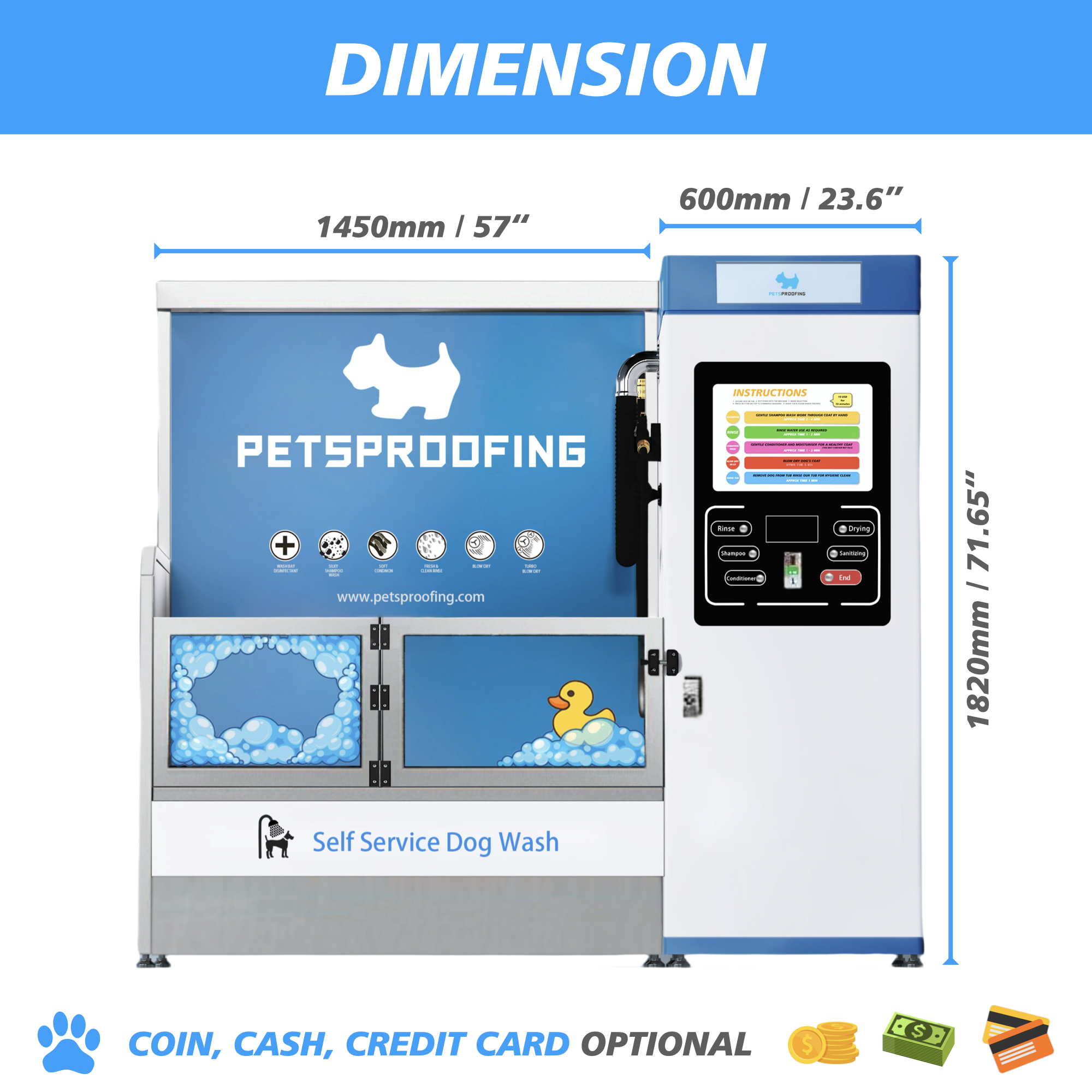
For many owners, utilizing a self service dog wash provides the safest and most convenient option. These facilities offer specific advantages that are difficult to replicate at home. Waist-high ergonomic tubs eliminate back pain. Built-in safety tethers keep the puppy secure, preventing them from jumping out and injuring themselves. Integrated high-velocity dryers speed up the process, and the facility contains all the flying hair and water.
However, you must note the strict vaccination prerequisites. Young, vulnerable puppies lack fully developed immune systems. Bringing an unvaccinated puppy to a public wash facility exposes them to deadly diseases like parvovirus and distemper. Puppies should only visit public facilities after receiving their final round of core vaccines, typically around 16 weeks of age.
Thermal stress remains a primary risk during drying. Symptoms of overheating include excessive panting, bright red gums, drooling, and lethargy. If you notice these signs, stop drying immediately and move the puppy to a cool area.
Mitigation requires strict adherence to cool or warm air settings. Never use the high-heat setting on any dryer. Keep the dryer nozzle moving constantly. Holding high-velocity air in one spot for too long causes friction burns on the skin, even if the air itself is cool.
Acknowledge the high probability of cutting a nail too short, especially when learning. Quicking the nail causes sudden pain and profuse bleeding. This single event can make a puppy terrified of paw handling for years.
Mitigation involves the mandatory inclusion of styptic powder in your grooming kit. If you cut the quick, immediately press a pinch of styptic powder against the bleeding tip and hold it for several seconds to clot the blood. More importantly, you must remain calm. If you panic and gasp, the puppy will panic. Act as if nothing happened, apply the powder, reward the puppy heavily, and move on.
Pushing a puppy past their behavioral limits causes grooming trauma. You must identify signs of threshold-crossing. These include frantic panting, thrashing, trying to bite the tools, or showing whale eye, where the whites of the eyes are visible as the dog turns their head away.
Mitigation relies on the abort and reset protocol. You must know when to stop a session. If the puppy panics, do not force compliance. Stop the activity, ask the puppy for a simple command they know well, reward them heavily, and end the session. Try again the next day with a lower level of intensity. Grooming is a lifelong requirement; forcing it today ruins tomorrow.
Common Grooming Risks and Immediate Actions
Risk Factor | Warning Signs | Immediate Action Required |
|---|---|---|
Thermal Stress | Excessive panting, bright red gums, lethargy. | Stop drying, move to a cool area, offer water. |
Quicked Nail | Sudden yelp, profuse bleeding from the nail tip. | Apply styptic powder with firm pressure for 10 seconds. |
Panic Response | Thrashing, whale eye, snapping at tools. | Abort the session, ask for a simple command, reward, and reset. |
Shampoo Residue | Excessive scratching post-bath, localized redness. | Re-rinse the affected area thoroughly with lukewarm water. |
To ensure your puppy develops positive associations with grooming, you must take immediate, structured action. Implement the following steps to build a safe and effective routine:
Establish a daily five-minute handling schedule, focusing on touching paws, ears, and the muzzle while providing high-value rewards.
Purchase your baseline equipment this week, prioritizing a variable-speed dryer, a slicker brush suited for your breed, and a metal greyhound comb.
Assemble a dedicated first-aid and detail kit containing styptic powder, blunt-nosed shears, and a vet-approved ear cleanser.
Verify your puppy's vaccination status with your veterinarian before scheduling any visits to public wash facilities.
A: Daily brushing is recommended for long-coated breeds. Full baths should occur every 3-4 weeks, while nail trims and ear checks should be done bi-weekly to maintain hygiene and behavioral conditioning.
A: No. Human hair dryers generate excessive heat that can easily burn a puppy's sensitive skin. Always use a dedicated pet hair dryer that uses high-velocity, unheated air to safely remove water from the coat.
A: Puppies can have their first gentle bath at home as early as 8 weeks old. However, keep sessions short and focus on positive reinforcement rather than a perfect clean.
A: Generally, no. Puppies should not visit public self service dog wash facilities until they are fully vaccinated (usually around 16 weeks) to avoid exposure to parvovirus and other contagious diseases.
A: A sanitary trim involves carefully clipping the hair around a puppy's anus and genitals. This prevents urine and feces from becoming trapped in the coat, reducing odors and preventing severe skin irritation.


