
Please Choose Your Language
Views: 168 Author: Site Editor Publish Time: 2025-10-27 Origin: Site


A removable pet cage offers both functionality and flexibility for pet owners. Whether you're looking for a temporary enclosure for traveling, a versatile space for your pet at home, or a custom solution to suit your unique needs, creating a removable pet cage can be an excellent project. In this guide, we’ll take you through the process of building a pet cage that can be disassembled, moved, and reassembled with ease. From materials to design choices, we’ll cover everything you need to know.
The need for a removable pet cage arises for a variety of reasons. Traditional pet cages can be cumbersome, difficult to transport, and hard to store when not in use. A removable version solves these issues by providing a portable, space-saving solution that is easy to set up and take down. Some of the primary benefits include:
Portability: Ideal for traveling or moving between different living spaces.
Space-saving: Easy to store when not in use.
Customization: Build a cage that suits your pet's size and needs.
Versatility: Can be adapted to different types of pets or living conditions.
By making your own removable pet cage, you can tailor it to your pet’s specific requirements while also ensuring it's lightweight, durable, and easy to transport.
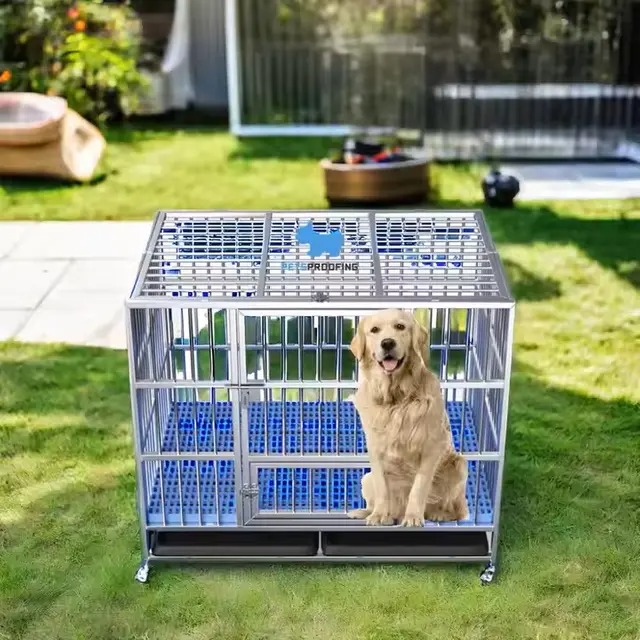
Before you begin building your removable pet cage, gathering the necessary materials is essential. The materials you choose will affect the cage’s durability, portability, and ease of assembly. Here’s a list of the most common materials you might need:
| Material | Purpose |
|---|---|
| Wooden panels | For the frame and base |
| Metal mesh | To provide ventilation and prevent escapes |
| Screws & bolts | For assembling the cage’s parts |
| Plastic connectors | For easier disassembly |
| Hinges | For creating doors and openings |
| Padding | For comfort and safety |
| Handlebars | For portability and easy moving |
Depending on your pet’s size and habits, you might need to adjust or add to this list. For example, large pets like dogs might require sturdier metal or reinforced materials.
Building a removable pet cage is a relatively simple DIY project that doesn’t require advanced carpentry skills. Here’s how to get started:
The first step in building a removable pet cage is to decide on the dimensions and layout. Consider your pet’s size and the space where the cage will be placed. For example, small animals like rabbits or guinea pigs need less space than larger pets like cats or small dogs.
Make sure the cage has:
Adequate ventilation: Metal mesh works best for airflow.
Comfort: Padding and space for your pet to move around.
Accessibility: Easy-to-open doors for feeding, cleaning, and interaction.
Secure lock system: To prevent escapes.
Once you have a rough design, sketch it out to visualize the dimensions and key components.
Start by building the frame of your removable pet cage. If you’re using wooden panels, cut them to size according to your design. Assemble the pieces using screws or nails. Ensure that the corners are square and that the frame is stable.
For a removable frame, use plastic connectors or modular pieces that allow you to disassemble and reassemble the cage with ease.
Cut the metal mesh to fit the sides and top of the cage, leaving openings for doors or windows. Attach the mesh securely to the wooden frame using screws or a strong adhesive. The mesh should be tight enough to prevent your pet from escaping, but not so tight that it compromises ventilation.
Doors are essential for easy access to your pet. Install hinges on one side of the cage to create a door that can open and close smoothly. Attach a secure locking system, such as a latch or clasp, to ensure your pet stays safely inside the cage.
To make the cage removable and easy to move, add handles to the sides. You can use metal handles or plastic grips depending on the weight of the cage. Make sure the handles are positioned in a way that balances the cage when being carried.
Finally, add any finishing touches that will make the cage more comfortable for your pet. For example, you can add padding to the bottom of the cage or create a removable mat for easy cleaning. Ensure that the structure is stable and that there are no sharp edges that could harm your pet.

A removable pet cage offers numerous advantages over traditional, permanent enclosures. Here are some key benefits:
Whether you're traveling, moving homes, or simply need to rearrange your living space, a removable pet cage allows you to easily relocate your pet’s space without much hassle.
When the cage is not in use, you can simply disassemble it and store it away. This is particularly beneficial for those with limited space at home.
Building your own removable pet cage lets you customize it to fit the specific needs of your pet. You can adjust the size, layout, and design elements to make the cage more comfortable and functional for your furry friend.
A removable pet cage often includes components that are easier to clean. Whether it's a removable floor tray or modular parts, disassembling the cage makes the cleaning process faster and more efficient.
If you’re looking for alternatives to the standard wood-and-mesh design, there are a few other materials you can consider for building your removable pet cage:
| Material | Benefits |
|---|---|
| PVC pipes | Lightweight, easy to assemble, and durable |
| Wire panels | Easy to attach and detach, great for flexible designs |
| Plastic crates | Portable, pre-made option with removable doors |
| Fabric panels | Lightweight and breathable, suitable for small pets |
Each material has its own set of advantages and can be chosen based on your pet’s needs and your preferences.
After you’ve built your removable pet cage, it’s important to maintain it for long-term use. Here are some tips:
Regular cleaning: Disassemble and clean the cage regularly to prevent buildup of dirt or pet waste.
Inspect for wear and tear: Check for broken parts, rusted metal, or worn mesh and replace them as necessary.
Reinforce connections: Over time, the connectors or screws may loosen. Ensure that the cage remains sturdy by tightening parts when needed.
A removable pet cage is a versatile and practical solution for pet owners who need flexibility, portability, and ease of use. By following the steps outlined in this guide, you can create a custom cage that suits your pet’s size and lifestyle. Whether you’re looking to move the cage, store it away, or simply provide a more comfortable home for your pet, a removable pet cage is an excellent option.
With the right materials, tools, and design, you’ll be able to build a cage that both you and your pet will appreciate.
1、What size should my removable pet cage be?
The size of your removable pet cage depends on the size of your pet. As a general rule, the cage should allow your pet to move around comfortably, with enough space for food, water, and bedding.
2、Can I make a removable pet cage for a large dog?
Yes, you can! If you have a large dog, ensure that the frame is made from sturdy materials like reinforced wood or metal. You may also need to add additional supports or larger mesh to accommodate the size and strength of the dog.
3、How often should I clean my removable pet cage?
Ideally, you should clean your removable pet cage once a week, but this can vary depending on your pet’s habits. For example, small pets like guinea pigs may require more frequent cleaning.
4、Can I use a removable pet cage for outdoor use?
Yes, many removable pet cages can be used outdoors, provided they are made from weather-resistant materials. If you plan to use the cage outside frequently, consider using a waterproof coating or durable plastic panels to protect against the elements.


