
Please Choose Your Language
Views: 0 Author: Site Editor Publish Time: 2026-07-20 Origin: Site


Pet grooming is shifting rapidly across the industry. Operators now move away from traditional brick-and-mortar salons. They embrace high-margin, decentralized container models instead. These modular units offer incredible geographic flexibility. They allow owners to place facilities right where pet owners live and travel. Building a profitable station requires careful planning. You must bridge the gap between automated vending models and physical realities. Complex plumbing, pet safety, and harsh environmental conditions demand your attention. Unprepared investors often face operational headaches early on.
This article provides a clear path forward. We offer operators and investors a localized, technical evaluation framework. You will learn how to select the best equipment. We show you how to plan functional layouts. Finally, you will discover how to mitigate implementation risks in container-based setups. Proper preparation ensures your facility runs smoothly from day one.
Throughput is tied to layout: A linear design separating the washing, drying, and payment zones reduces bottlenecks and maximizes daily user capacity.
Industrial-grade plumbing is non-negotiable: Hair traps, commercial water heaters, and winterized pipes are the primary failure points in passive self-service setups.
Compliance dictates location: Municipal wastewater regulations and ADA compliance must be solved before finalizing structural container modifications.
Let us look at the baseline success criteria first. You define profitability through two distinct operational models. The first model relies on automated, unattended operation. We call this the "vending machine" approach. Users handle the entire process themselves. The second model involves fully staffed mobile grooming. Staff members manage the equipment and handle the pets directly. Most modern investors prefer the unattended model. It reduces labor reliance and maximizes operating hours. A well-placed mobile dog wash functions independently. It generates passive income while you manage other business ventures.
Location constraints dictate your flexibility. You must assess the viability of container placement carefully. Prime locations include car washes, RV parks, and large apartment complexes. These sites usually offer existing utility hookups. You need reliable access to fresh water and sanitary sewer lines. You also need dedicated 220v power connections. Skipping a thorough utility audit often delays deployment. Always verify utility capacities before signing a land lease.
Revenue assumptions guide your business plan. You must establish baseline metrics for your break-even points. Focus heavily on average ticket size first. Next, calculate your precise utility cost per wash. Finally, project realistic daily utilization rates. A busy weekend might see thirty users. A slow Tuesday might only bring five. You need consistent averages to model profitability correctly. Understanding these numbers helps you weather seasonal dips in traffic.
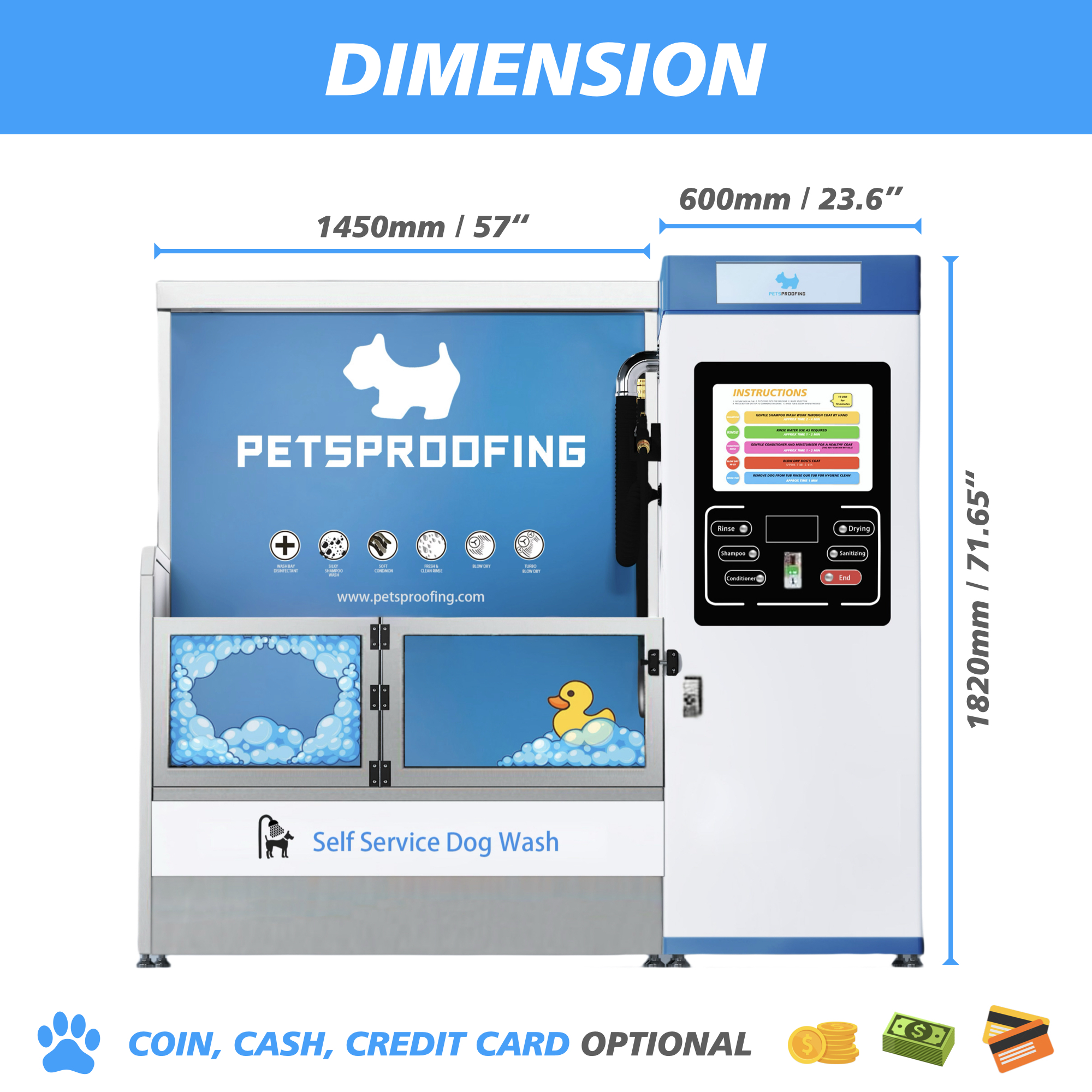
Hardware selection makes or breaks your operation. You need equipment capable of surviving continuous abuse. Commercial washing tubs demand your immediate attention. You generally choose between marine-grade stainless steel and molded polymer. Stainless steel resists heavy scratching easily. It speeds up sanitation between uses. It also supports the massive weight capacity required for large breeds. Polymer tubs often scratch over time. Scratches harbor bacteria and create lingering odors.
Feature | Marine-Grade Stainless Steel | Molded Polymer |
|---|---|---|
Scratch Resistance | Exceptionally High | Low to Moderate |
Sanitation Speed | Very Fast | Slows down as surface degrades |
Weight Capacity | Supports extra-large breeds safely | Flexes under heavy loads |
Water heating and delivery systems keep users happy. Nobody wants to wash their dog in freezing water. You should install on-demand tankless heaters. Pair these heaters explicitly alongside anti-scald mixing valves. This combination guarantees consistent temperature output. You maintain perfect warmth during peak weekend hours. You also avoid installing massive, space-consuming holding tanks. Proper temperature control prevents pet injuries and frustrated customers.
Payment and telemetry terminals require robust protection. Install them inside NEMA-rated waterproof enclosures. Ensure your readers support tap-to-pay and RFID readiness. Modern users rarely carry physical coins. Integrate remote diagnostic software into your terminal. This software monitors your self-service dog wash continuously. You minimize cash-handling security risks completely. You also ensure real-time uptime monitoring from your smartphone. Knowing immediately when a machine goes offline saves your reputation.
Drying equipment handles the most stressful part of the wash. You need dual-motor forced-air dryers. These units dry thick undercoats efficiently. You must include variable noise controls. Loud motors trigger severe pet anxiety easily. Adjustable dials allow users to customize the airflow and noise level. Lower settings keep anxious pets calm. High settings blast water out of thick fur quickly.
Spatial ergonomics govern your user flow. You must map the customer journey logically. Users move from entry to exit within a very tight footprint. Standard shipping containers offer either 10ft or 20ft lengths. You have limited floor space available. A linear progression works best. It prevents confused users from crossing paths inside a cramped space.
Entry Zone: The user enters the container and secures the dog safely.
Payment Zone: The user interacts directly at the kiosk before handling water.
Washing Zone: The user moves the dog up into the tub for cleaning.
Drying Zone: The user accesses the hoses and blowers away from standing water.
Exit Zone: The user leaves smoothly, preventing bottlenecks at the main door.
Safety and accessibility protect you from liability. Large or senior dogs struggle to jump. You must install a ramp or step system. Ramps offer better joint protection for older pets. Flooring choices also matter immensely. You need non-slip, epoxy, or rubberized modular flooring. Integrate dedicated drainage slopes beneath this flooring. Standing water creates extreme slip hazards quickly. A well-designed custom mobile dog wash keeps both humans and pets securely on their feet.
Ventilation and odor control keep your unit inviting. Enclosed steel environments trap moisture aggressively. You must install industrial exhaust fans. Commercial dehumidification requirements also apply here. You want to prevent mold growth and rust completely. Proper airflow eliminates lingering wet-dog odors. You must exchange the interior air several times per hour. Customers will avoid a smelly, damp facility.
Wastewater and filtration represent your number one operational risk. Dog hair clogs standard pipes instantly. You must implement multi-stage interceptors immediately. Add high-capacity hair strainers before the main drain. You also need to understand municipal gray-water discharge codes. Some cities allow a direct sewer tap. Other municipalities require holding tank pump-outs. Check your local regulations early. Failing to manage wastewater shuts down your business faster than any other issue.
Climate control and winterization determine your year-round viability. Freezing climates destroy unprotected plumbing. You must meet strict insulation standards. Closed-cell spray foam provides the best thermal barrier for a steel shell. Apply heat tracing across all external pipes. Install automated freeze-protection dump valves. These valves empty the lines if the power fails. They save you thousands of dollars in burst pipe repairs.
Power requirements surprise many new operators. You must evaluate the total electrical load accurately. Dryers, water heaters, and HVAC systems draw massive current simultaneously. Determine your true amperage needs before signing a lease. A standard container dog wash typically requires a 100-200 amp service minimum. Undersized electrical panels trip constantly during busy weekends.
Best Practice: Always install a secondary clean-out access port near the main drain. It saves hours during major clogs.
Common Mistake: Ignoring the startup surge of dual-motor dryers. This sudden draw easily trips standard breakers.
Equipment Type | Estimated Amperage Draw | Operational Phase |
|---|---|---|
Tankless Water Heater | 40 - 60 Amps | Active Washing |
Dual-Motor Dryer | 15 - 20 Amps | Active Drying |
HVAC Unit | 15 - 30 Amps | Continuous/Background |
Telemetry & Lighting | 5 - 10 Amps | Continuous/Background |
Choosing the right manufacturing partner mitigates huge financial risks. You must run a strict cost-benefit analysis. Compare buying pre-fabricated turnkey stations against hiring local fabricators. A turnkey approach saves months of design time. The manufacturer has already solved the complex layout issues. A DIY retrofit offers more customization but requires intensive project management. You must source every single part yourself.
Evaluate manufacturers across specific dimensions. Start by analyzing their warranties. You must distinguish between structural guarantees and fast-wear component coverage. Structural warranties cover the container frame and welds. Fast-wear coverage applies to hoses, nozzles, and buttons. Next, review their support SLAs. You need guaranteed availability of replacement parts. Remote troubleshooting access is also crucial for minimizing downtime. Ask how quickly they ship critical components when things break.
Compliance readiness separates professional builders from amateurs. Ask if their designs carry necessary UL/CE certifications. Unattended machinery requires strict electrical safety testing. Do not buy uncertified electrical panels. Local inspectors will reject them immediately.
Your next steps involve gathering hard data. Request detailed technical spec sheets. Do not accept glossy marketing brochures alone. Initiate site feasibility surveys immediately. Walk the proposed location alongside local general contractors. A reliable mobile dog wash vendor will happily supply engineering diagrams for your contractors. They want your installation to succeed just as much as you do.
A successful grooming station relies very little on aesthetic appeal. It depends entirely on industrial reliability, moisture management, and a seamless user experience. Flashy decals cannot fix a flooded floor. You must focus your energy on the mechanical infrastructure first. The durability of your pumps and heaters matters most.
We highly recommend prioritizing vendors who over-engineer their systems. Choose designs featuring heavy-duty drainage and robust climate control. These specific elements dictate your long-term operational uptime directly. Machines sitting out of order generate zero revenue. They only frustrate your potential customer base.
Take action today to secure your investment. Download a comprehensive site-survey checklist. Consult a licensed commercial plumbing and electrical engineer immediately. Let them review your location before you purchase a container. Proper planning now ensures profitable operations later.
A: You typically need a 3/4-inch dedicated water line to ensure adequate pressure. A 4-inch sanitary sewer drain handles the massive volume of wastewater and hair efficiently. Electrically, you must secure a minimum 100-amp service. Dual-motor dryers and tankless heaters draw immense power simultaneously. Upgrading to a 200-amp panel offers better safety margins for future equipment additions.
A: Start by sealing the container walls completely using closed-cell spray foam insulation. You must wrap all external plumbing lines securely using industrial heat tape. Install localized space heaters near the water delivery manifolds inside the utility room. Finally, program automated freeze-protection dump valves. These valves drain standing water instantly if the ambient temperature drops too low.
A: No, you cannot route this water into a storm drain. Environmental compliance regulations prohibit it strictly. This runoff contains harsh soaps, biological matter, and flea treatments. You must direct all wastewater directly into a municipal sanitary sewer system. Alternatively, you can utilize a sealed holding tank. You then hire commercial vacuum trucks for routine pump-outs.
A: Marine-grade stainless steel tubs easily last between seven and ten years. They resist heavy scratching and daily chemical exposure brilliantly. Payment card readers face harsher conditions. Unattended terminal screens and RFID readers typically survive three to five years before requiring replacement. Consistent routine maintenance extends these timelines significantly. Clean the screens and check waterproof seals weekly.


